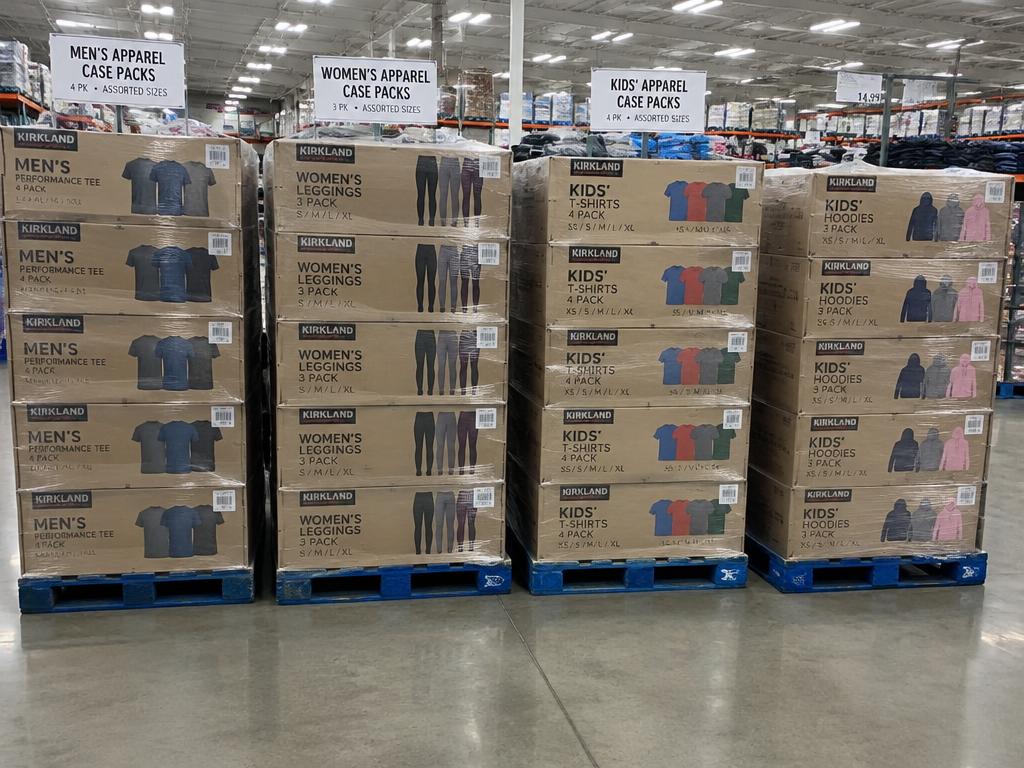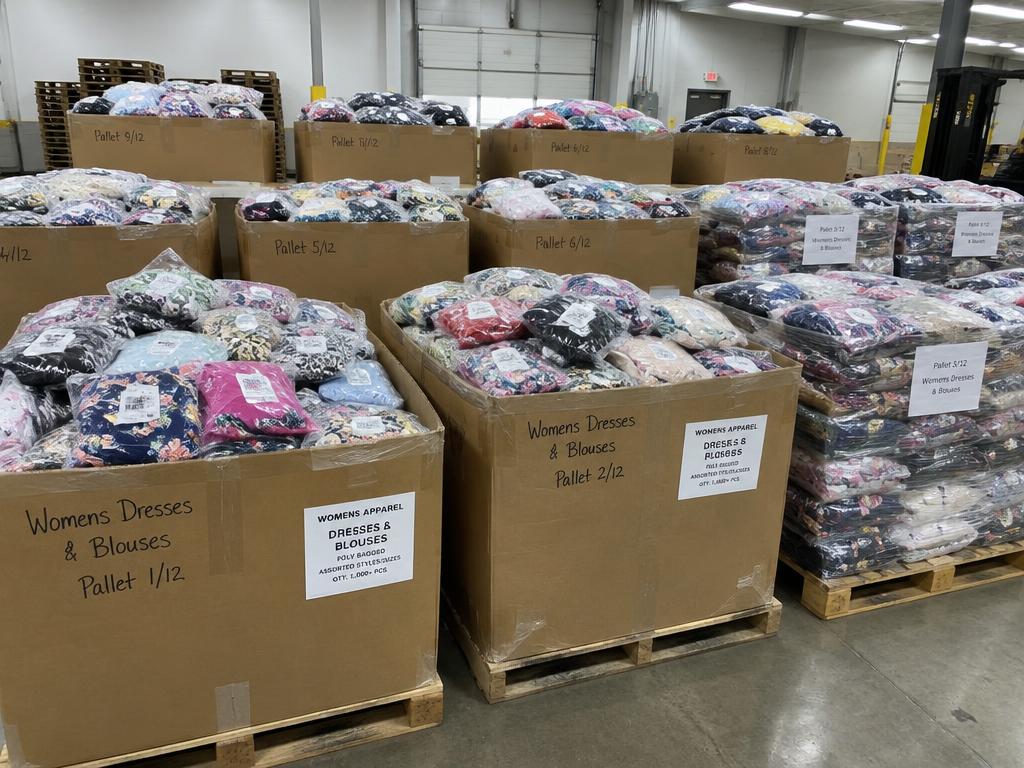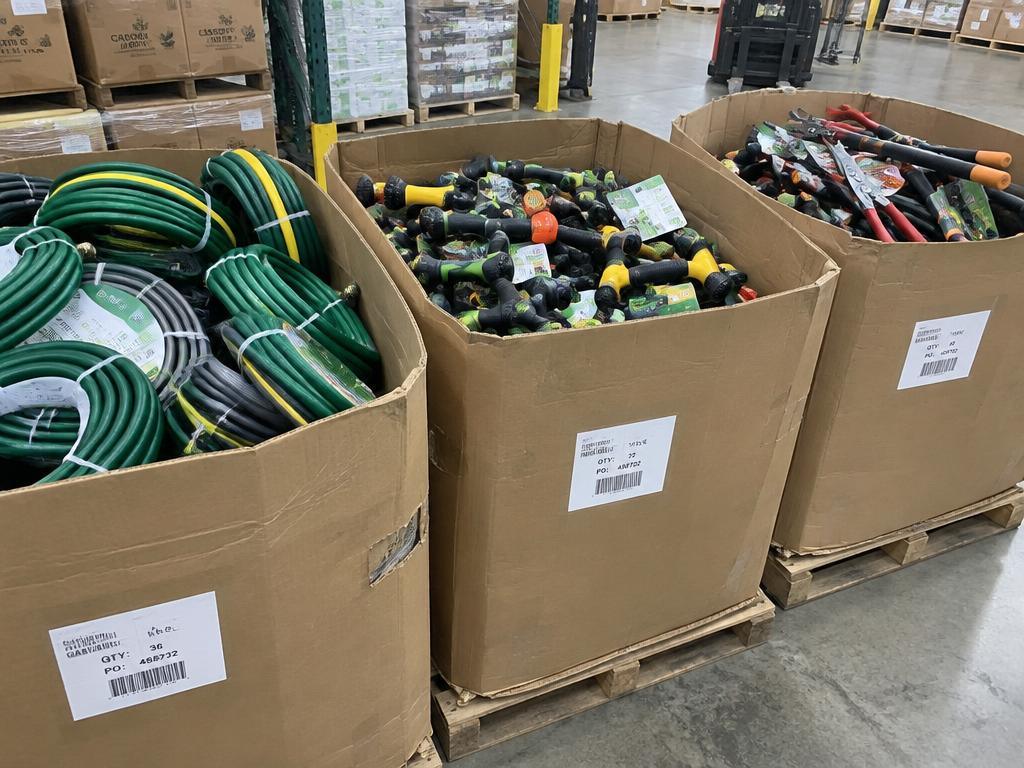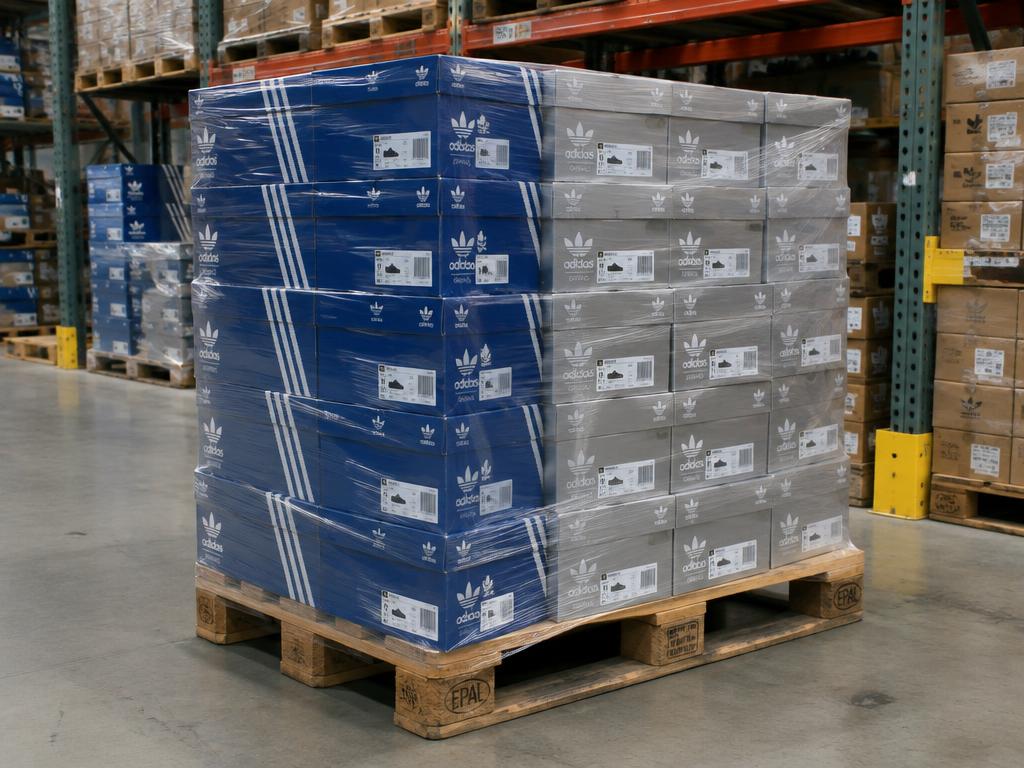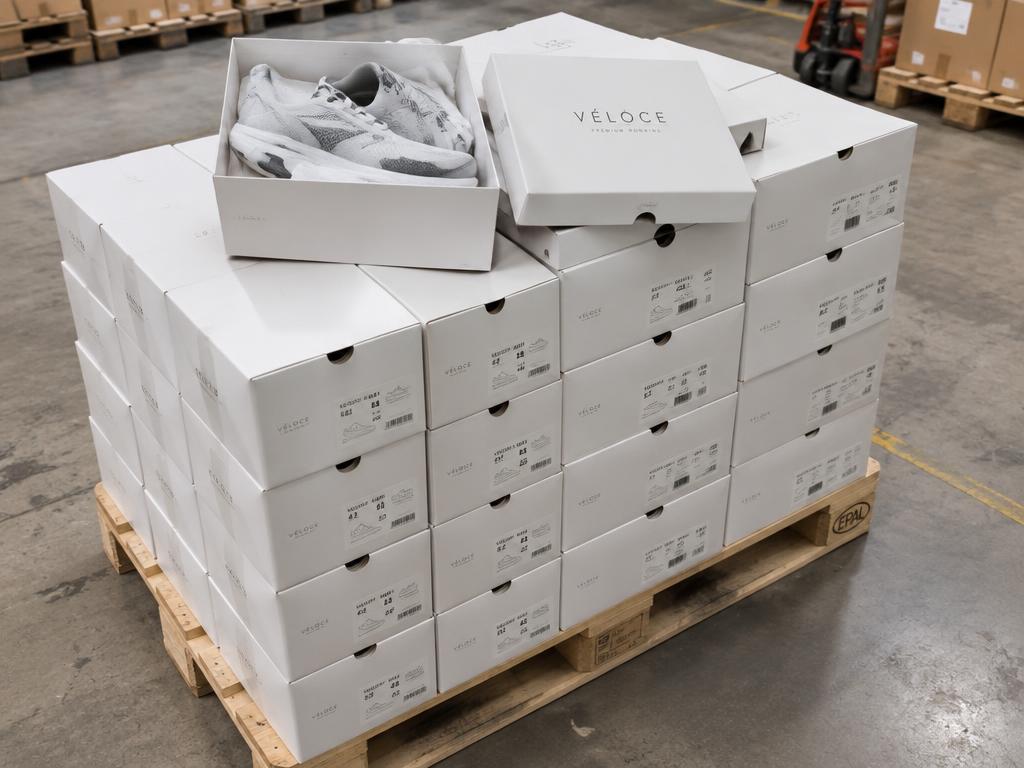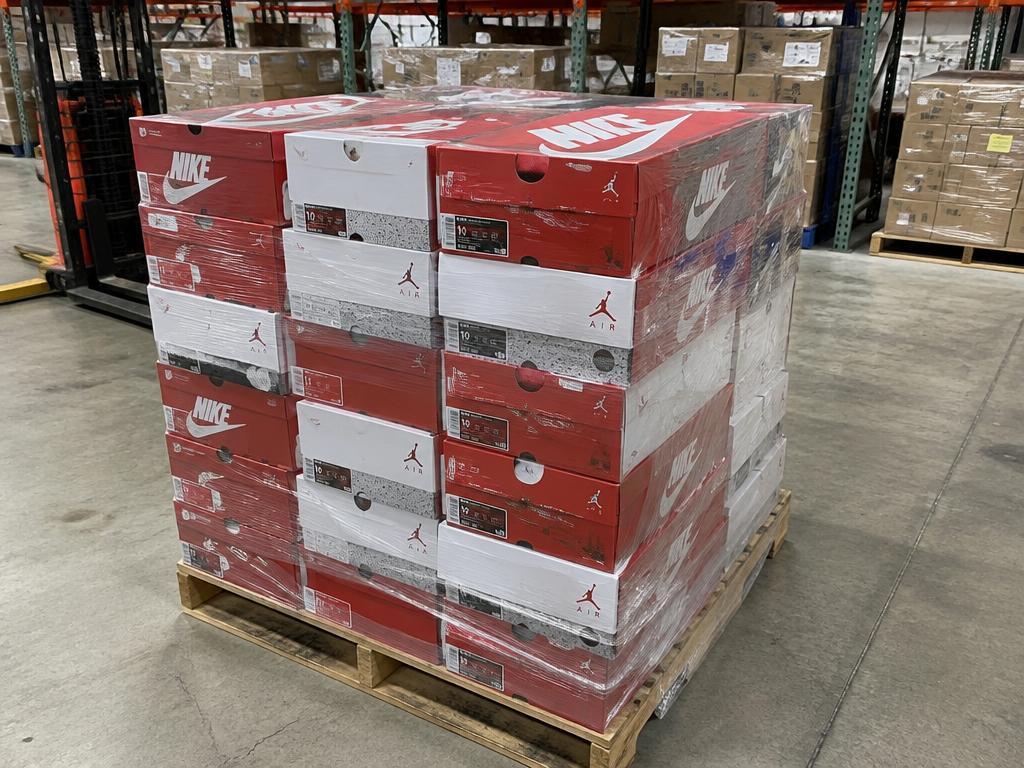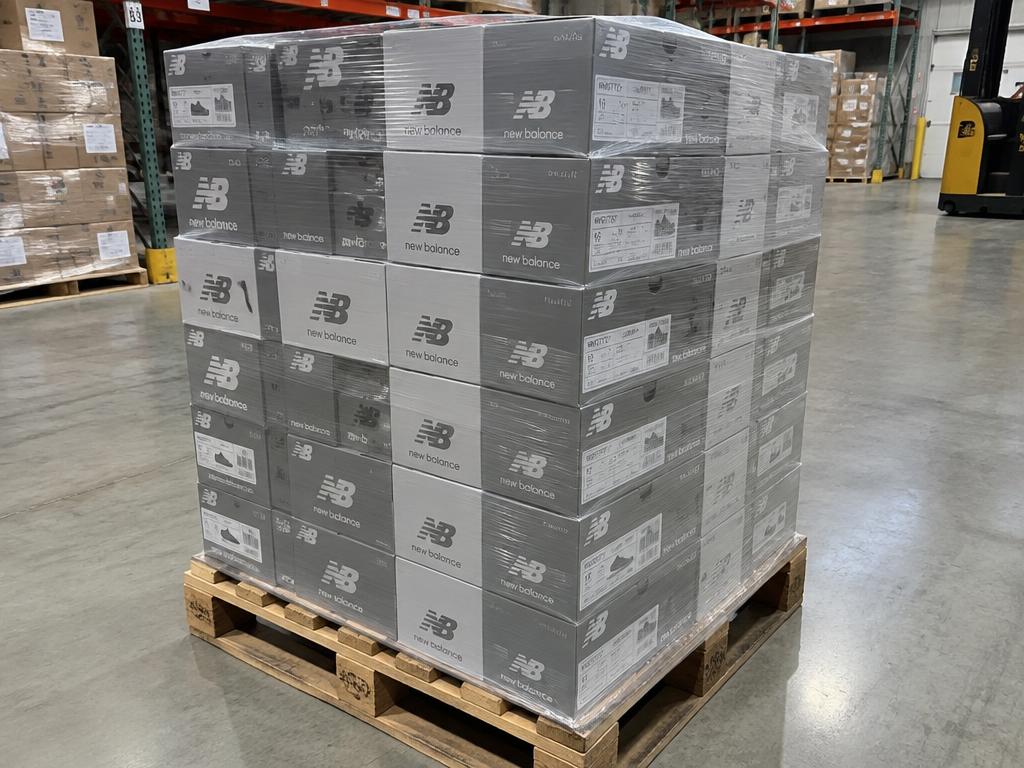
BUY NOWMANIFEST AVAILABLEShrink-Wrapped Apparel Pallets — Sealed Cartons — 8 Pallets
- Lot size
- 8 pallets · 642 units
- Ships from
- Lincoln, Nebraska
- Est. retail value
- $31,500
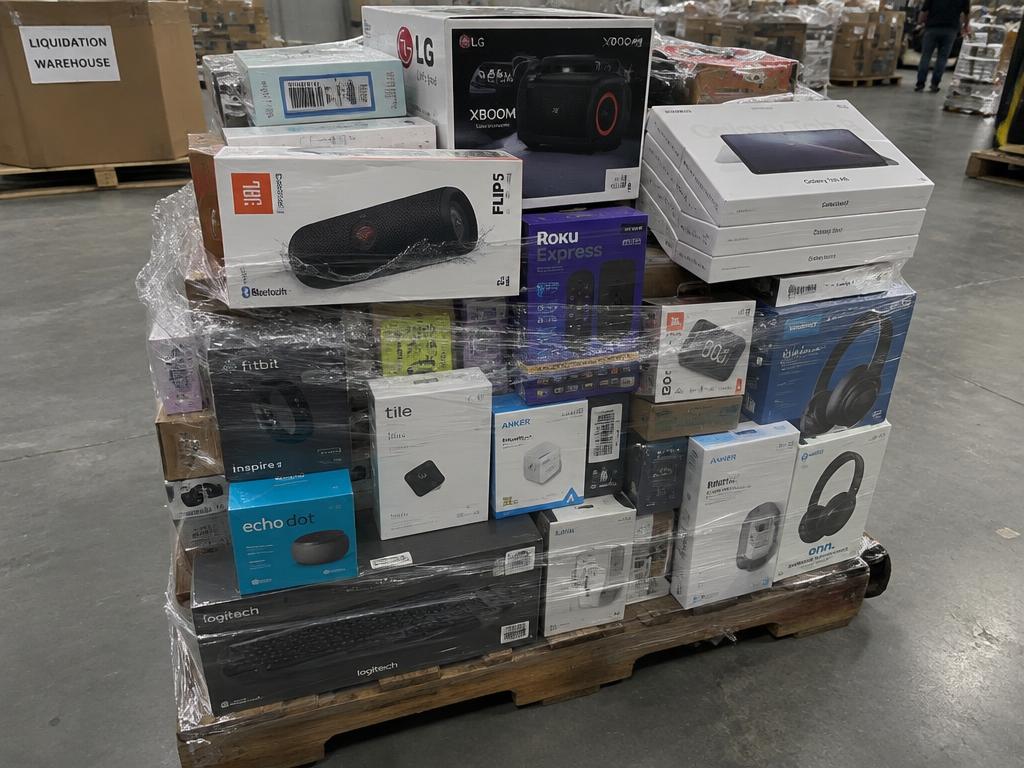
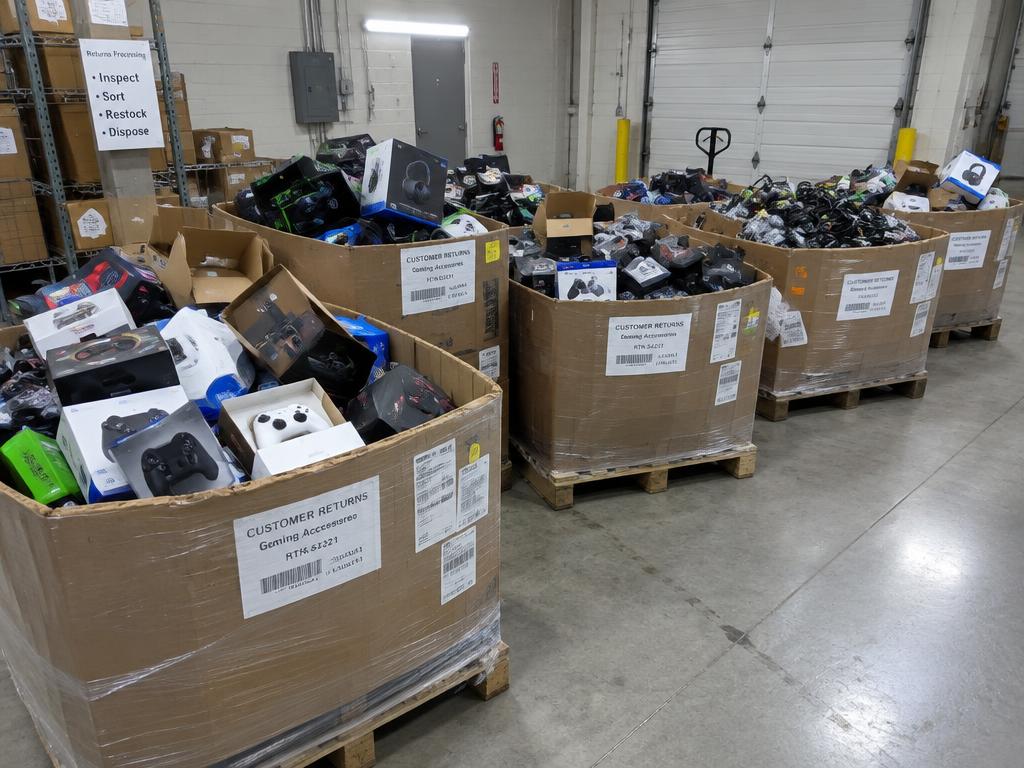
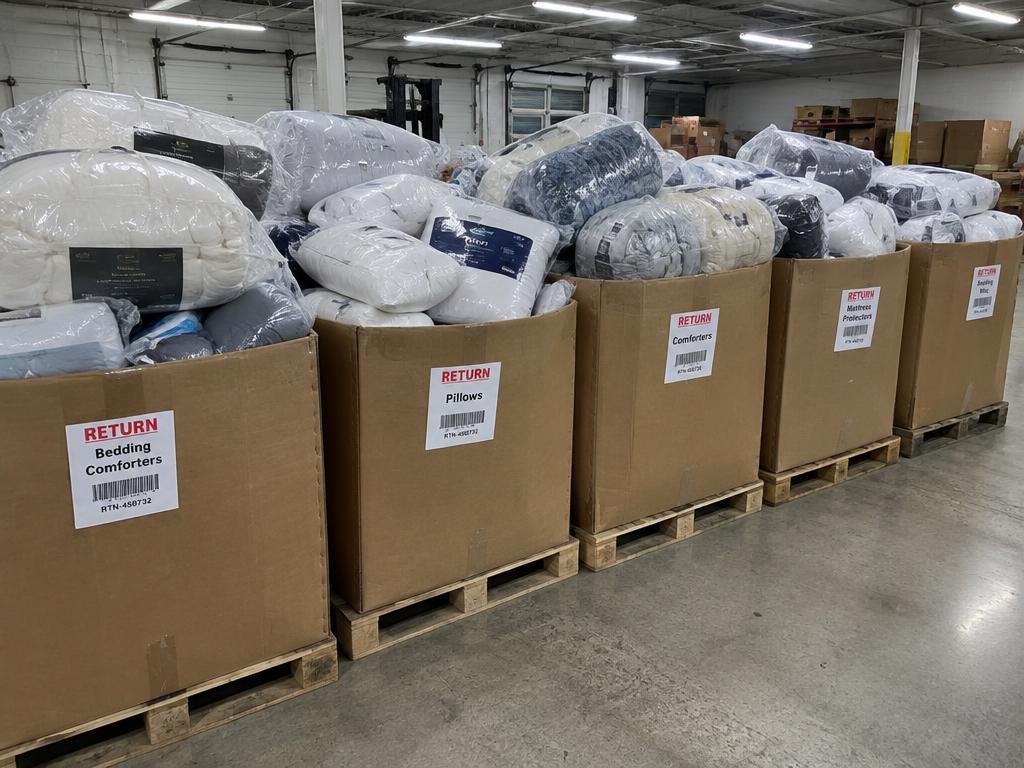
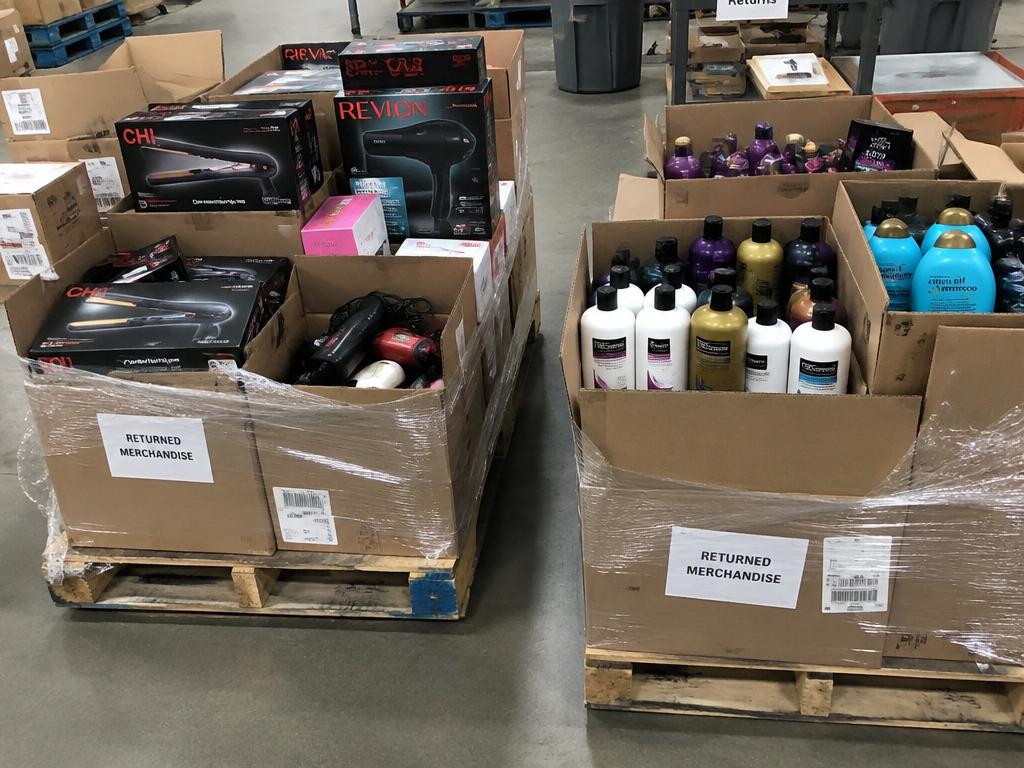
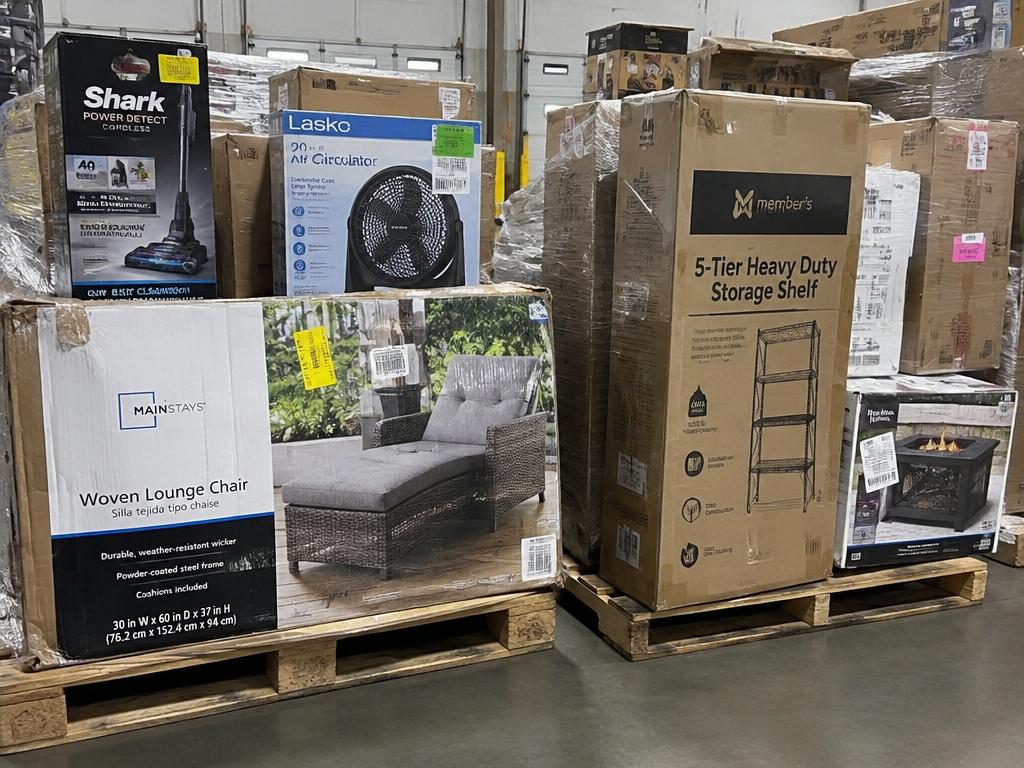
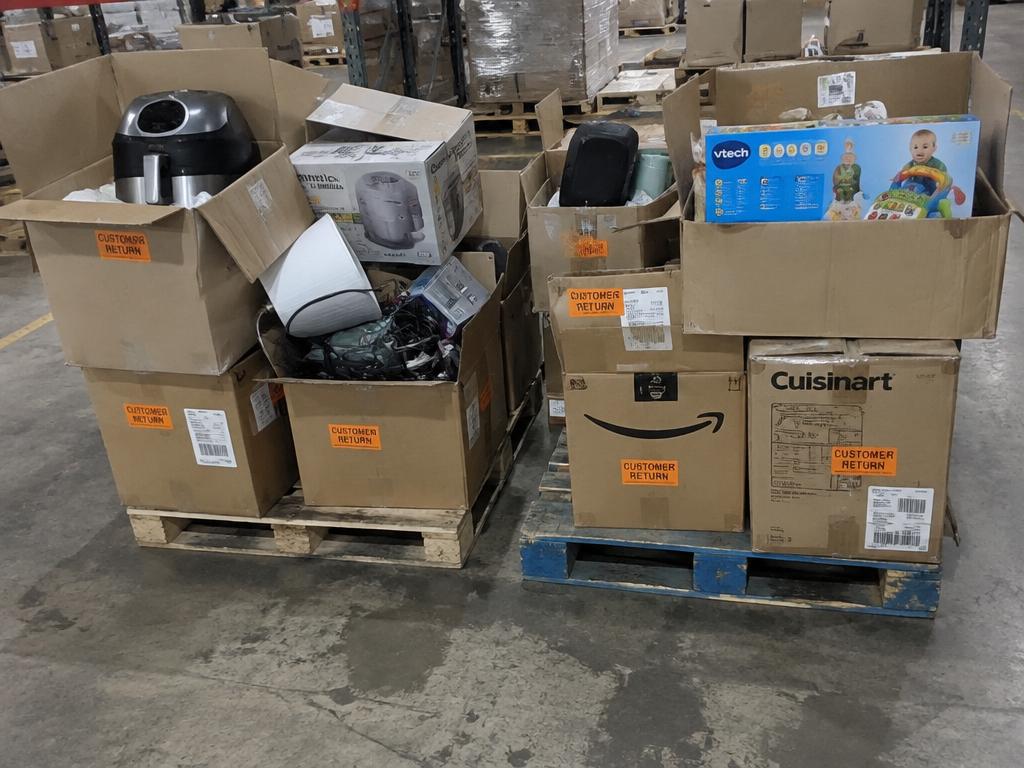
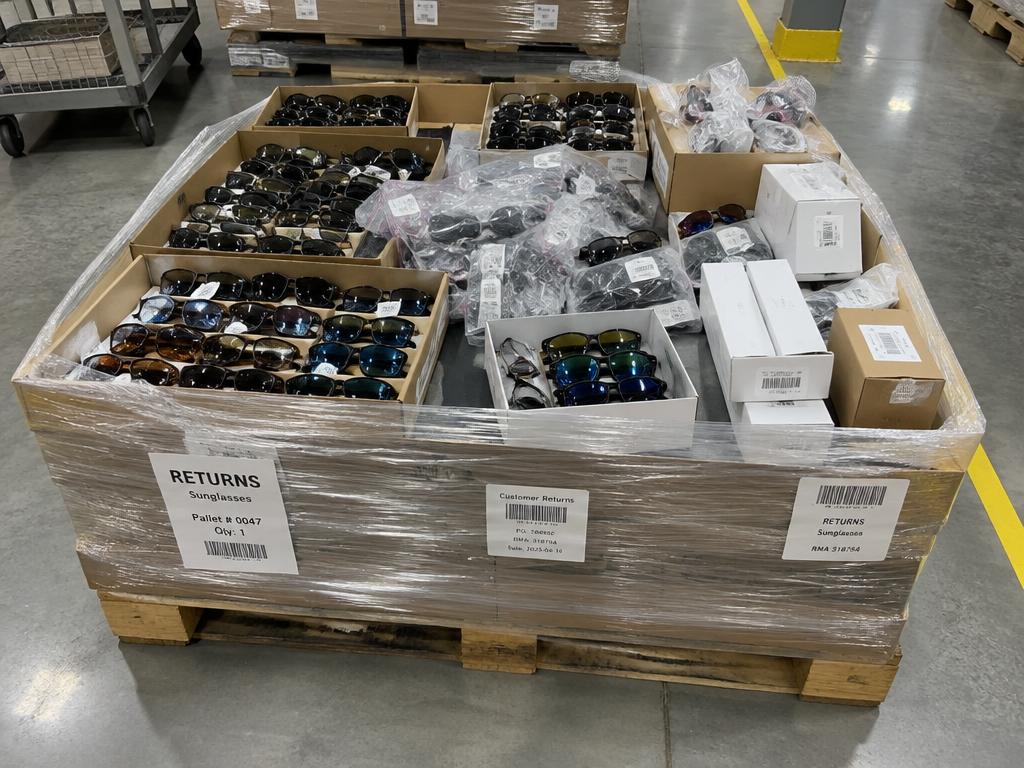
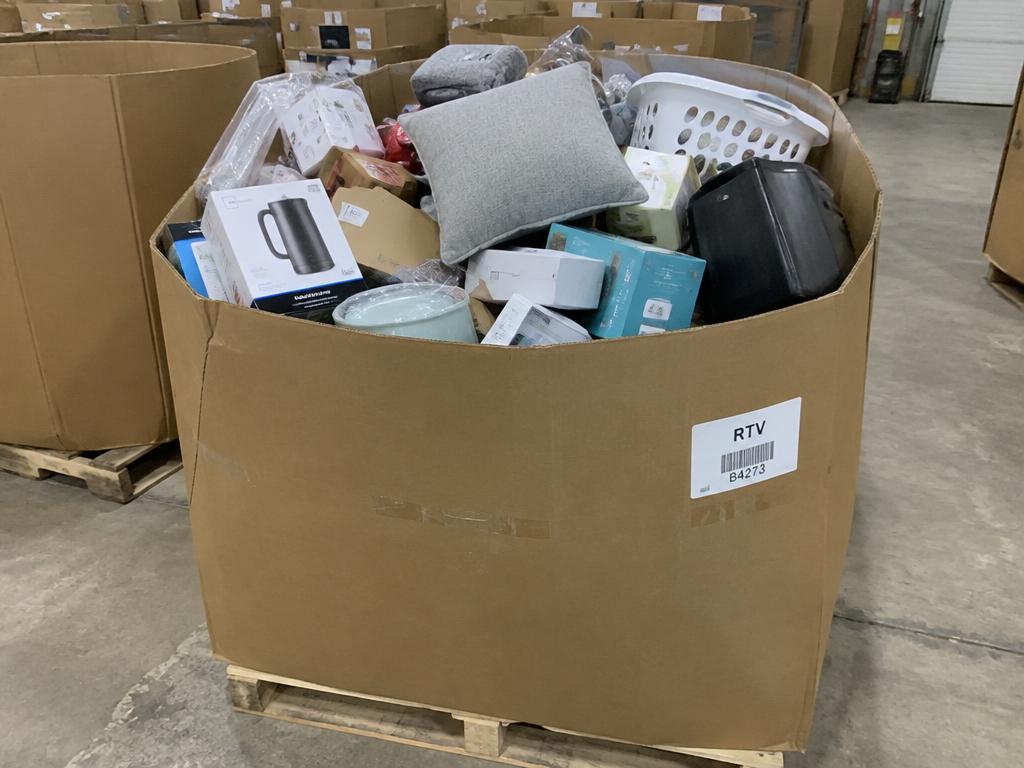
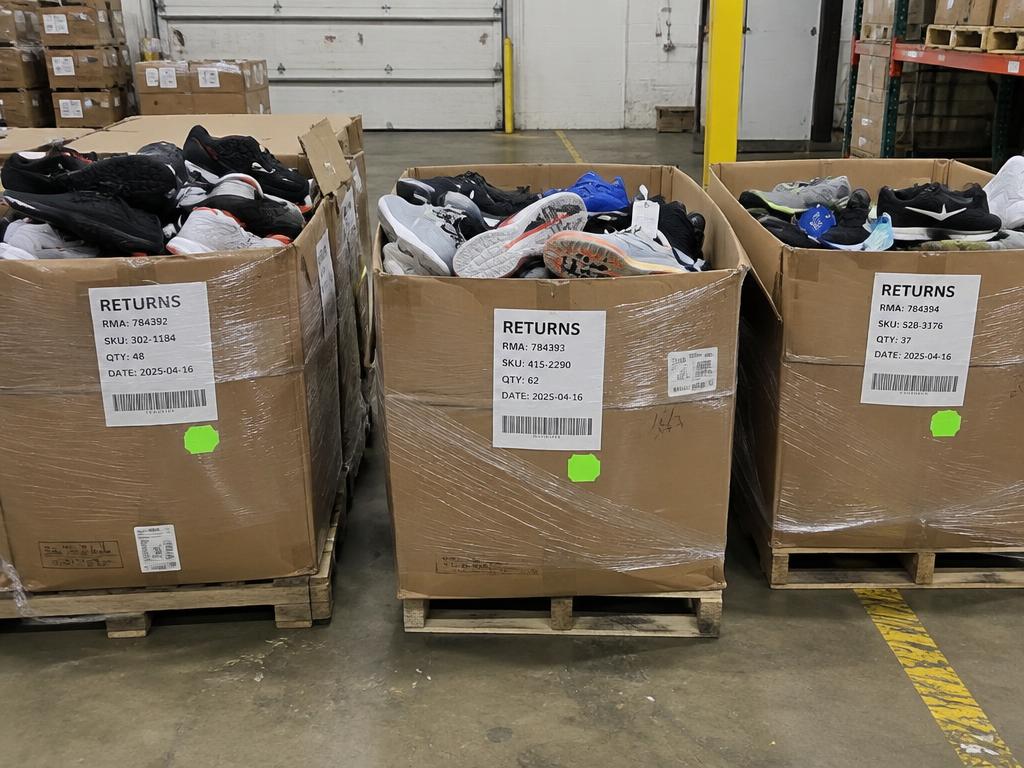
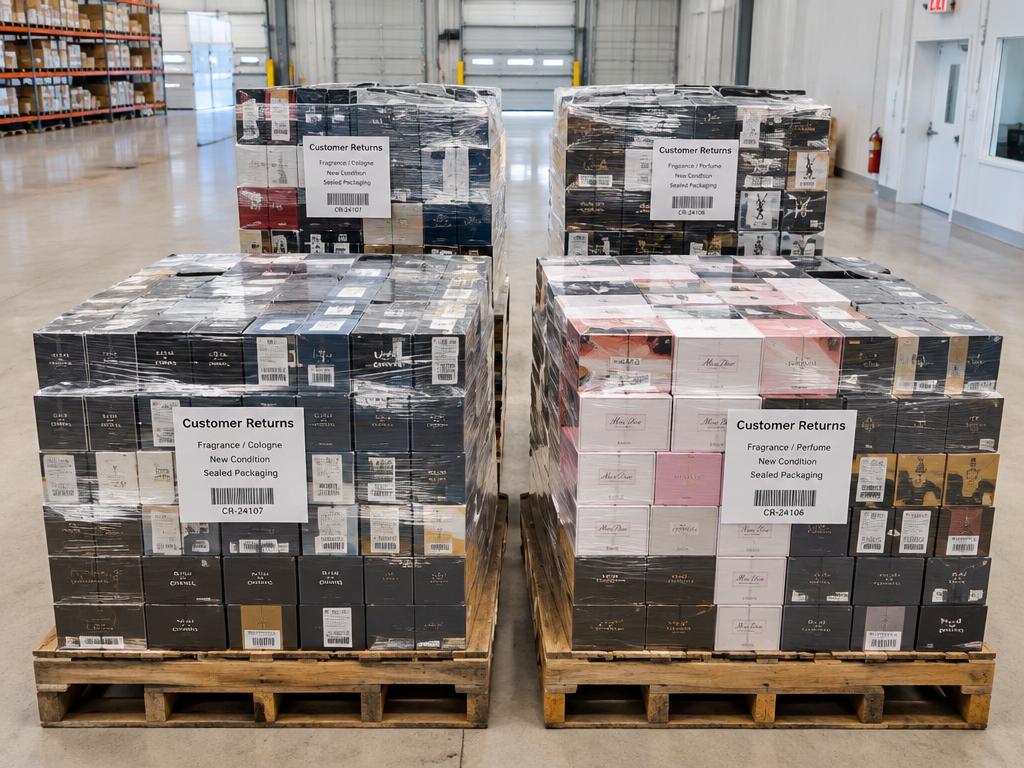
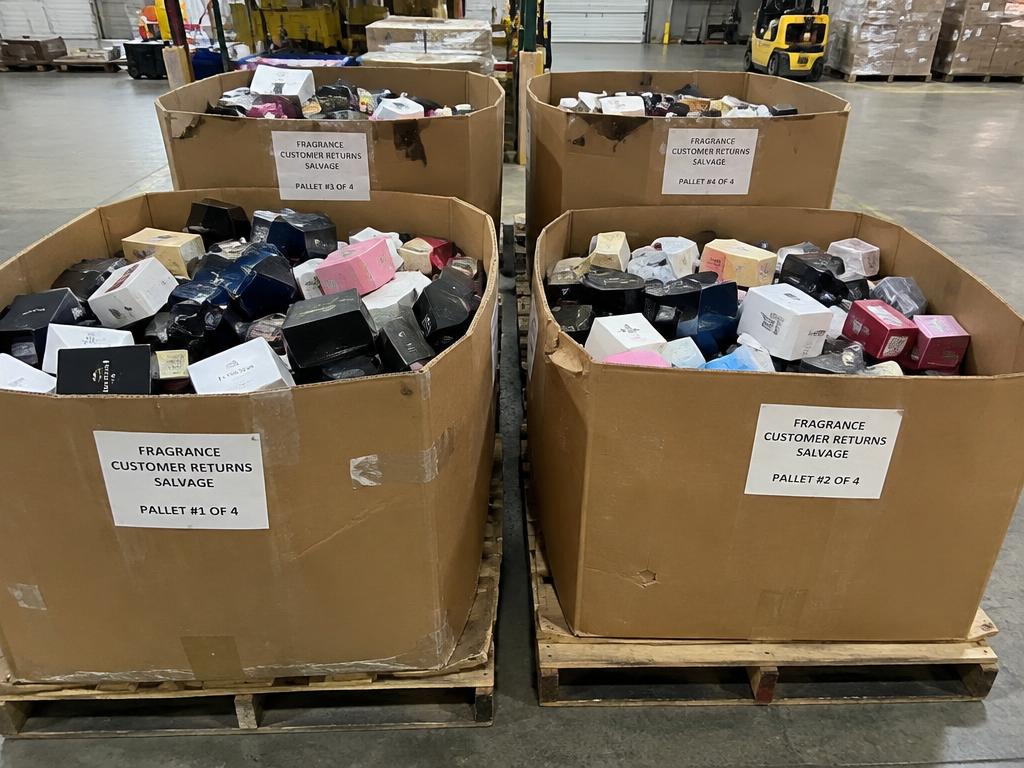
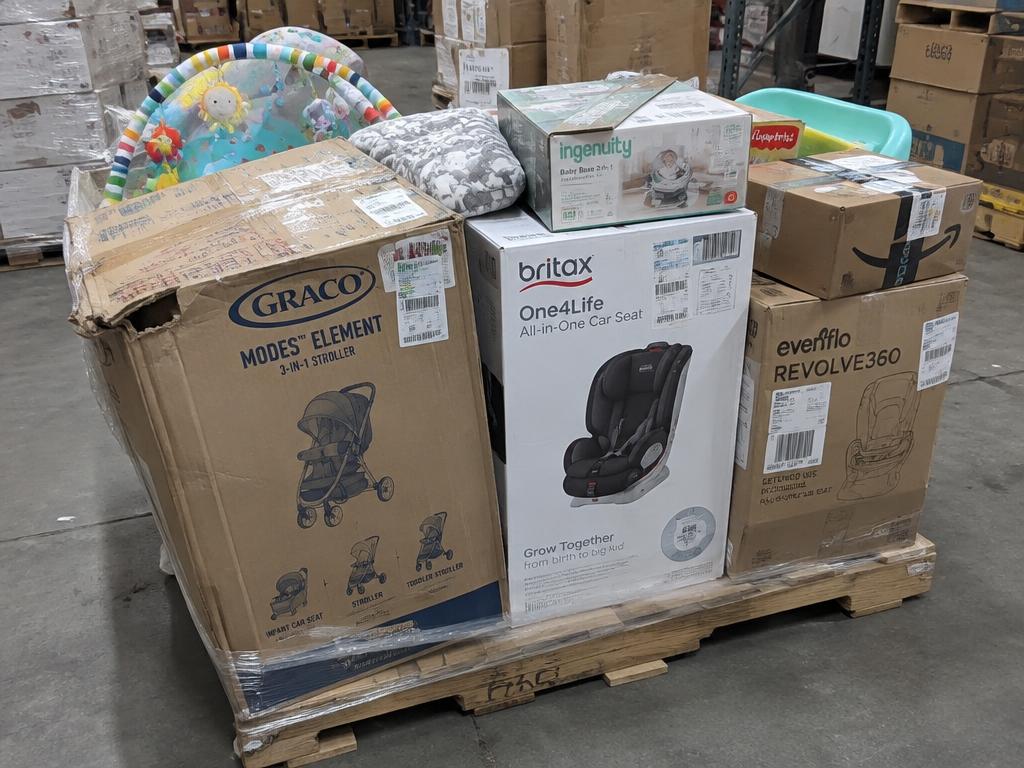
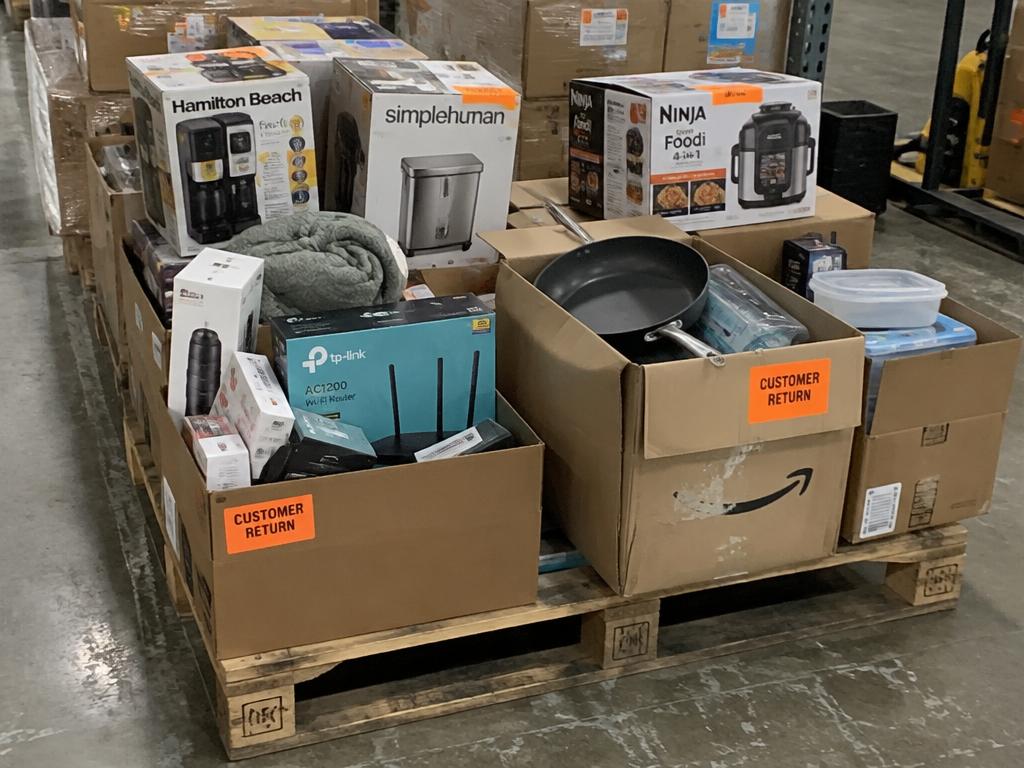
Customer returns are goods shoppers sent back to a retailer for any reason — wrong size, changed mind, damaged box, or a genuine defect. Returns lots offer the deepest discounts off estimated retail and carry the widest condition variance of any inventory type.
BUY NOWMANIFEST AVAILABLE
BUY NOW
BUY NOW
BUY NOWMANIFEST AVAILABLE
BUY NOW
BUY NOWMANIFEST AVAILABLE
BUY NOW
BUY NOW
BUY NOW
BUY NOW
BUY NOW
BUY NOW
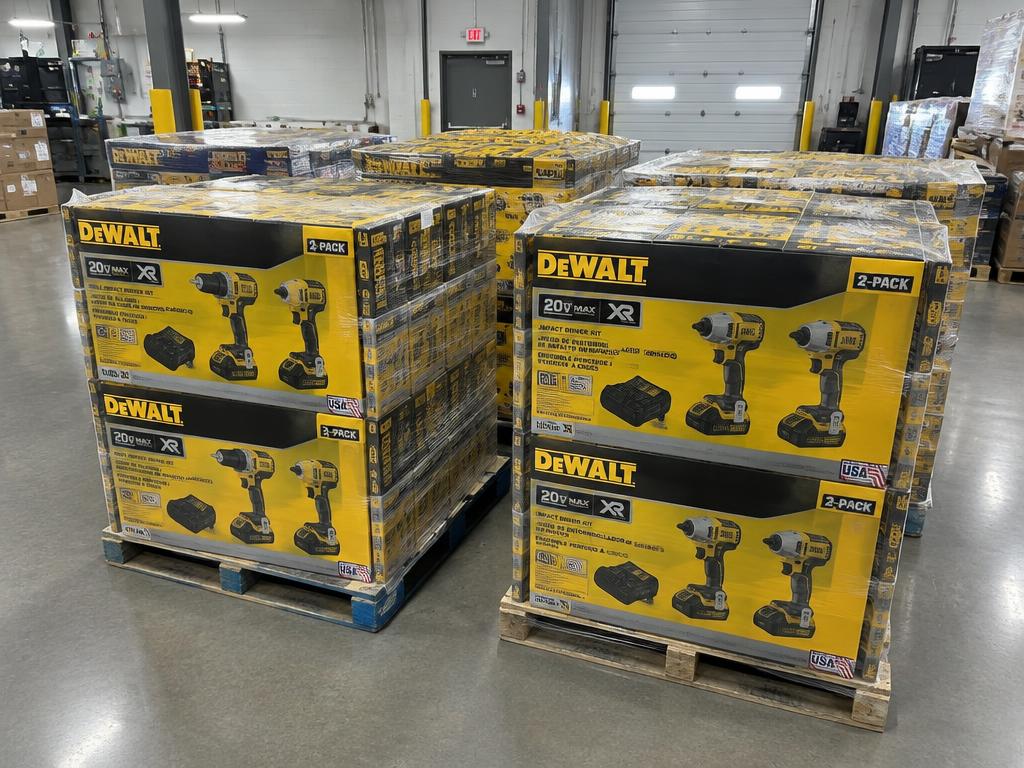
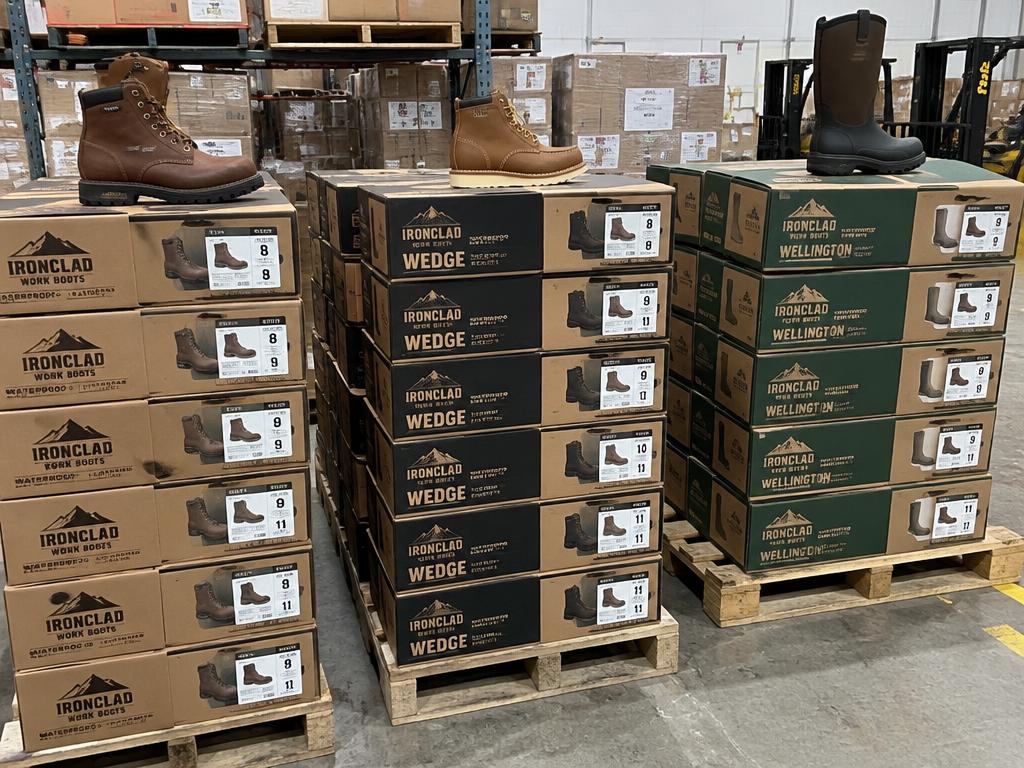
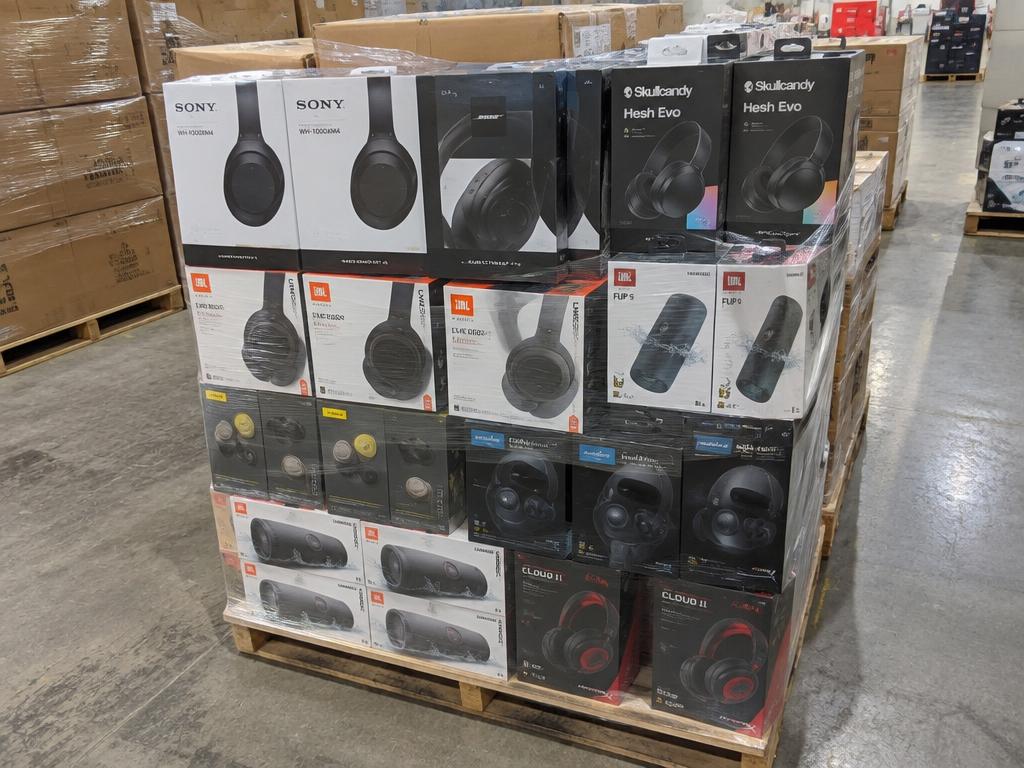
BUY NOWMANIFEST AVAILABLEWhen buying customer returns wholesale, use the individual listing to check the product mix, condition and quantities. Assume nothing has been tested unless the listing says it was
Understand product conditions →Before purchasing customer returns, compare the lot price, delivery cost and expected inspection work. A manifest, when available, lists item-level information; unmanifested inventory carries more uncertainty. Estimated retail value is a reference, not guaranteed resale income.
Read a liquidation manifest →Available customer returns lots ship from Lincoln, Nebraska. Review receiving requirements before checkout and choose the delivery service suitable for your address. Compare smaller lots with full truckloads when planning floor space and resale capacity.
Review delivery requirements →Returns arrive in mixed condition. Some items are unopened, others are opened, incomplete, cosmetically damaged, or non-working. Grading, when supplied by the seller, appears in the manifest.
Available as single pallets, multi-pallet lots, and truckloads.
There is no reliable universal figure, and any seller quoting one should be treated with caution. Judge each lot by its manifest, condition notes, and price relative to estimated retail, then record your own yield so future buying decisions rest on your data.
Liquidation lots are generally final sale. See the returns policy for the narrow circumstances where a claim may be filed.
Only if the listing explicitly says so. Most returns lots are untested and sold as-is.
Check whether it is item-level or summary, compare the unit count to the pallet weight for plausibility, and look up sold comps for the highest-value lines. Where no manifest exists, the condition notes are your only information and the price should reflect that.
Photograph the pallet wrapped before you cut it, then triage top-down into resell-new, resell-used, refurbish, part-out, and scrap. Check packaging, completeness, cosmetics, function, safety, and factory reset on anything storing personal data.
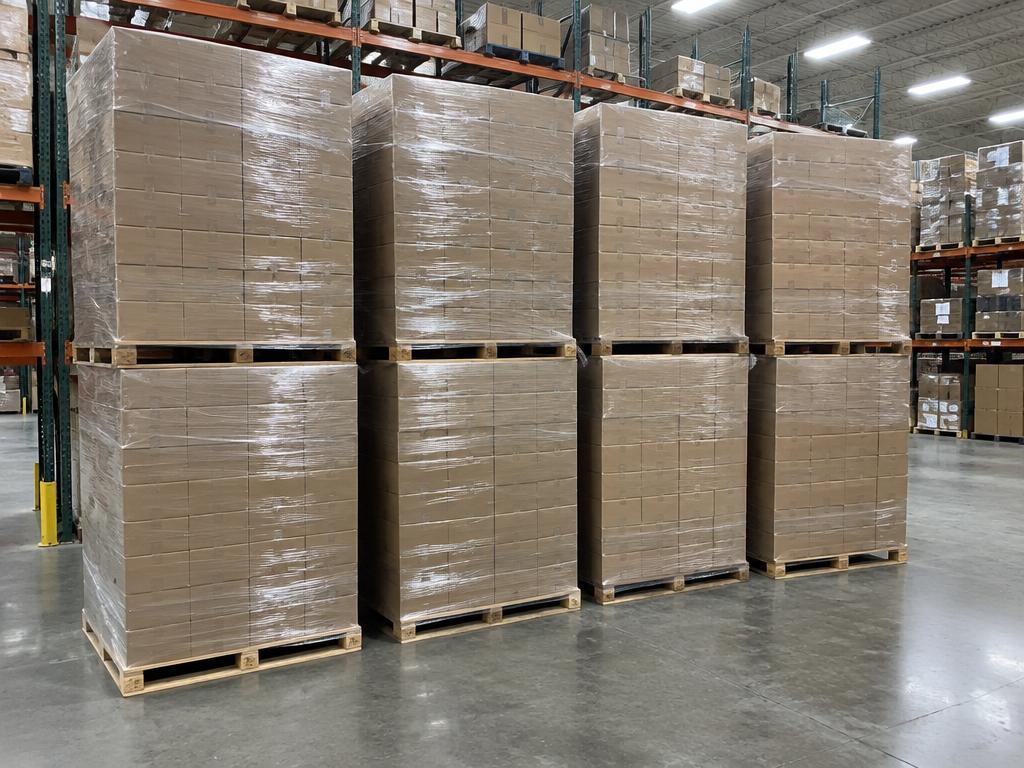
Single pallets and small lots ship LTL from Lincoln, Nebraska; larger buys ship as truckloads. Inspect for crushed corners, torn wrap, and leaning stacks, and note damage on the delivery receipt before signing or a freight claim becomes very hard to pursue.
Divide landed cost — lot price, freight, accessorials, sorting and testing labour, and disposal of scrap — by the number of units you realistically expect to sell, not the total unit count. Then compare that figure to median sold prices in your channel.
Marketplaces that accept used and tested-working condition, bin stores, and flea-market booths. Channels that require new, sealed condition are a poor fit unless you are prepared to sort out the small share of untouched units.
Compare every active customer returns lot by price, condition, pallet count and manifest status before buying.
Buy available customer returns →Tell us the category, condition and volume you are sourcing. We will match it against available U.S. inventory and send a written quote.